Common Misconception
Many people assume that wet floors or moldy walls are caused by water rising from below.
In reality, in most cases in humid climates like Vietnam, this is a condensation phenomenon—not water infiltration.
How Dew Point Works
Air always contains moisture. When a surface temperature drops below the dew point, water vapor transitions into liquid form.

Water vapor condenses when it meets a cold surface
This process leads to indoor mold formation and floor condensation.
Key Factor: Cold Floor Surface
The critical factor is not humidity alone, but whether the floor temperature is lower than the dew point.
→ Continue reading: What is a cold floor?
Real-World Example
During humid seasons, floor structures often remain cooler than the air, causing condensation on the surface.
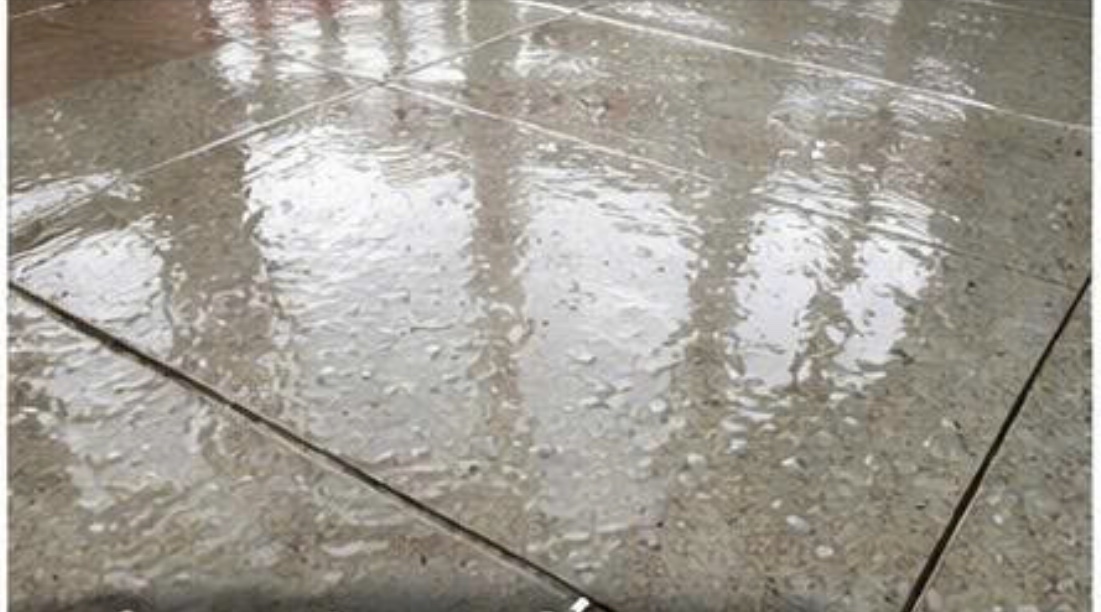
Condensation occurs on cold floor surfaces
Engineering Solution
The key is to maintain floor temperature above the dew point.
An effective solution is hydronic underfloor heating .
Conclusion
Indoor humidity problems are not caused by water penetration, but by condensation on cold surfaces.
Understanding dew point is fundamental to solving the issue at its root.