Signs of Ground Floor Moisture Problems
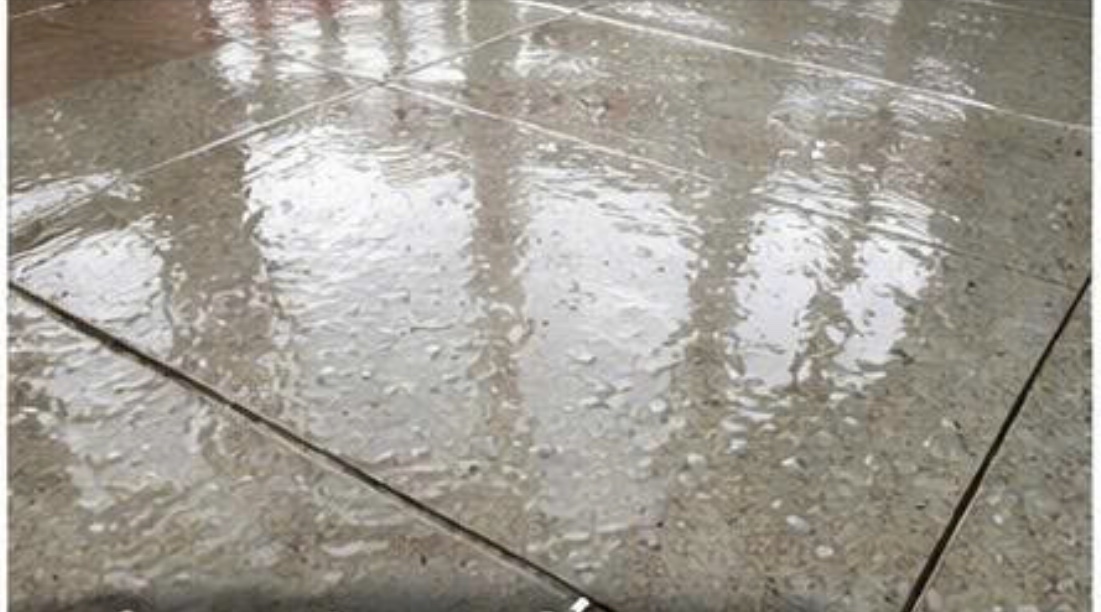
- Wet floor surface without any water usage
- Mold formation at the base of walls
- Persistent musty indoor odor
- Accelerated deterioration of wooden furniture
Why Do Floors “Sweat”?
When humid air comes into contact with a cold floor surface, the surface temperature falls below the dew point temperature. As a result, water vapor condenses into liquid droplets on the floor surface.
This phenomenon is common in humid seasons, where air humidity rises significantly while floor structures retain lower temperatures.
Learn more about the indoor dew point mechanism .
Consequences if Not Properly Addressed
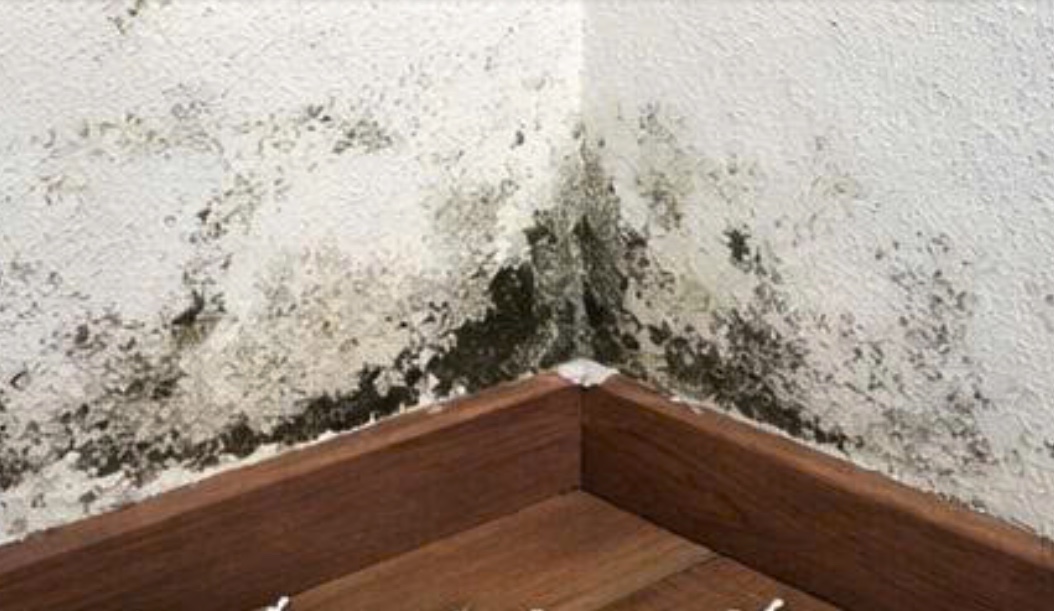
- Recurring mold every year
- Increased risk of termite infestation
- Negative impact on respiratory health
- Reduced property value
Sustainable Solution
When floor surface temperature is maintained above the condensation threshold, moisture accumulation will not occur.
Refer to floor temperature stabilization using hydronic underfloor heating to eliminate the root cause of this issue.
Related Articles
SAV Expert Consultation
Each building has different structural conditions and moisture characteristics. SAV provides case-specific analysis to deliver the most effective solution.
SAV | Sưởi Ấm Việt
Tel/Zalo: 0968 983 001